

-
 Metal Wire Mesh Series
-
 Coarse Abrasive Sieve Mesh
 -
Square coarse mesh high mesh count
-
Printing mesh 200-600 mesh
-
Filtrating mesh 100-3500 mesh
-
Brass Wire Mesh
-
Red Copper Mesh
-
Test Sieve
-
φ75 Test Sieve
-
φ150 Diameter Test Sieve
-
Φ200 Test Sieve
-
Φ300 Test Sieve
-
8inch Test Sieve
-
12inch Test Sieve
-
Small Test Sieve Shaker
-
XMD Sieve Shaker
-
Impact sieve
-
Electromagnetic vibrating screen
-
Lab Sieve Shaker
-
Sieve Shaker
-
Vibrating Sieve Series
-
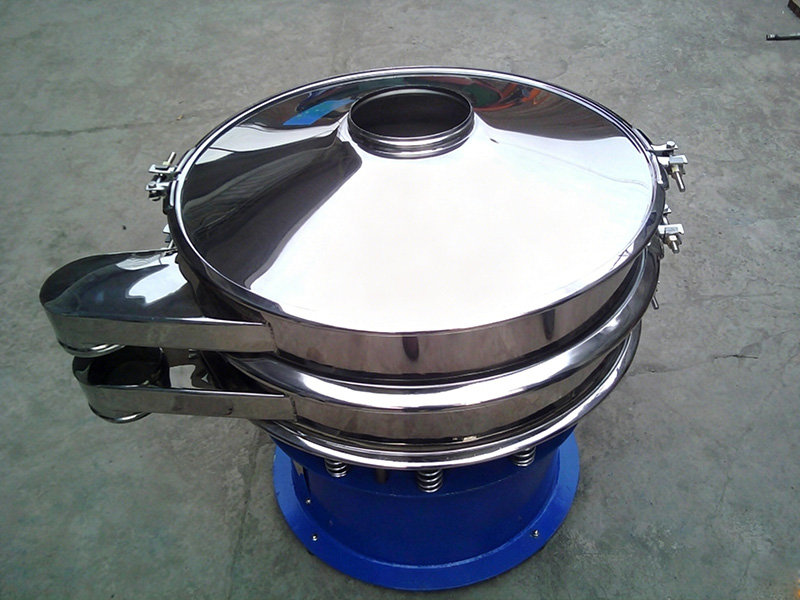
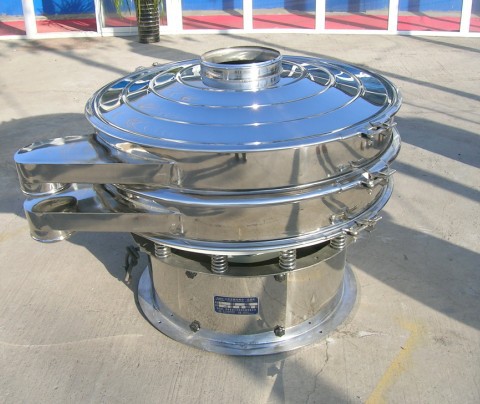
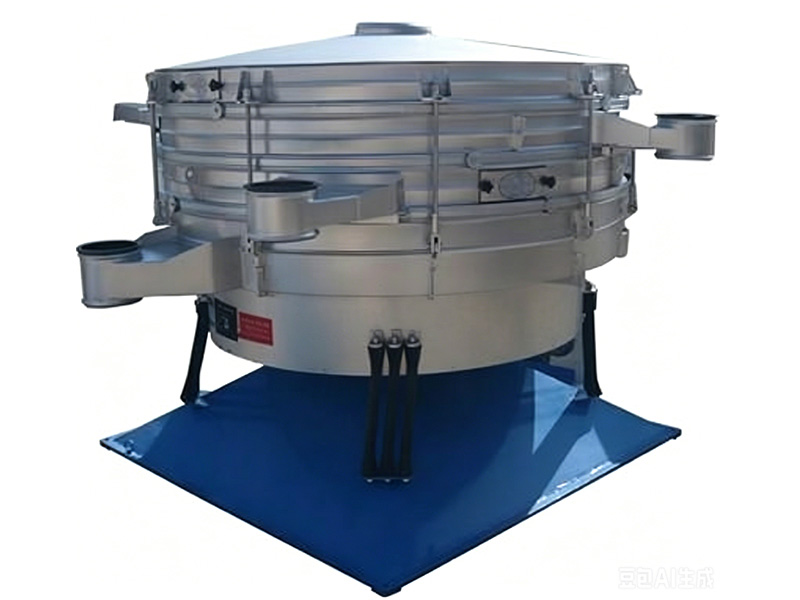
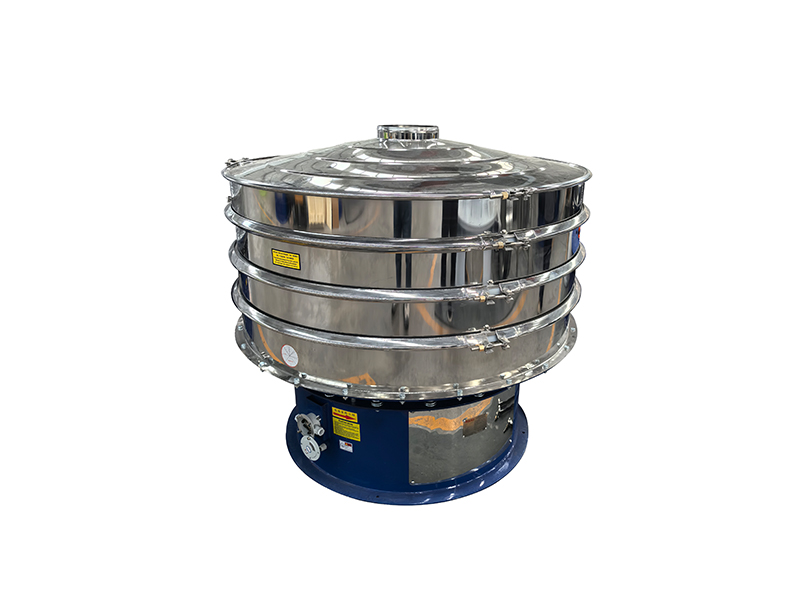
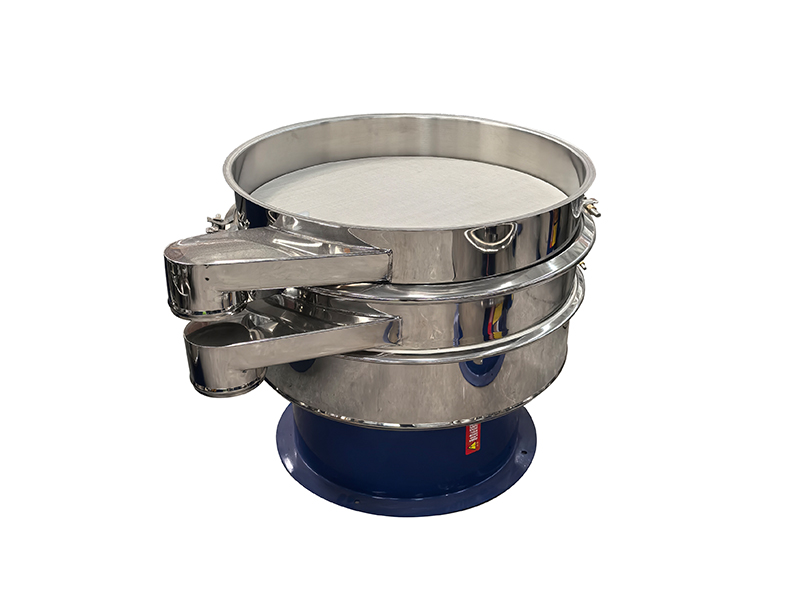
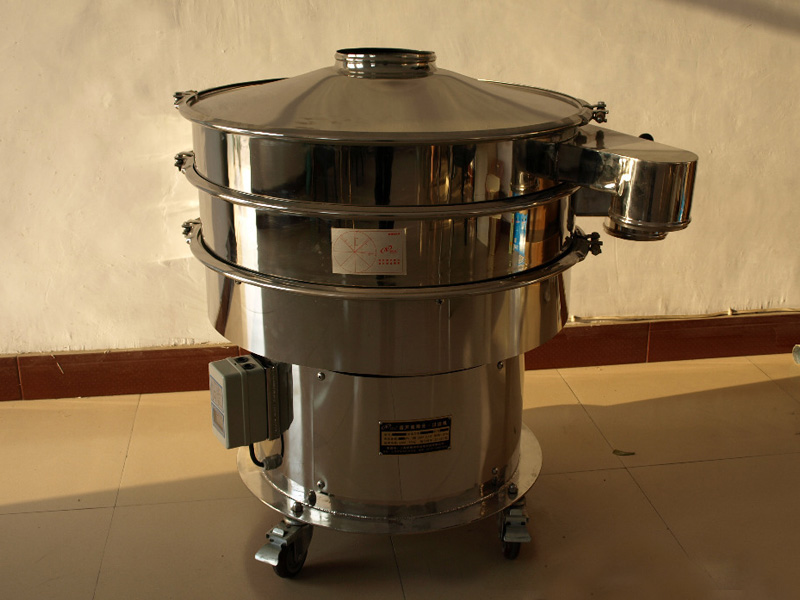
Rotary Sieve
-
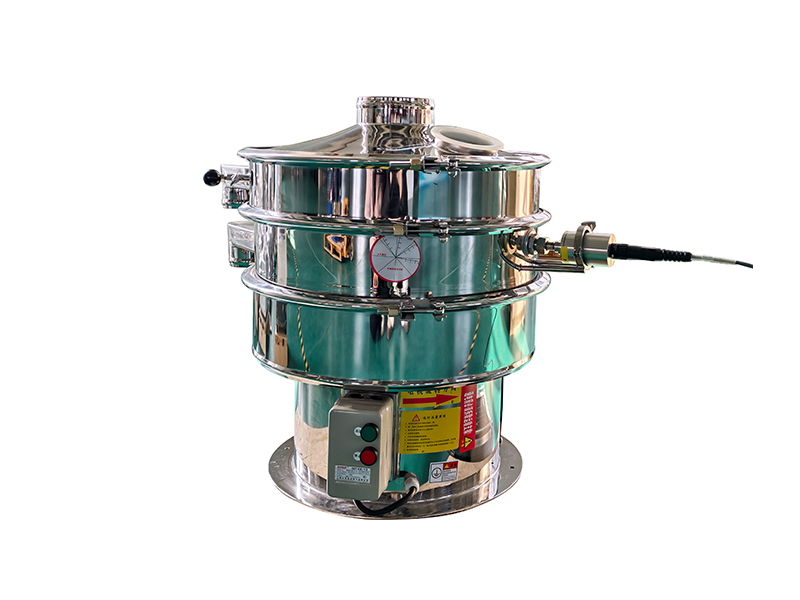
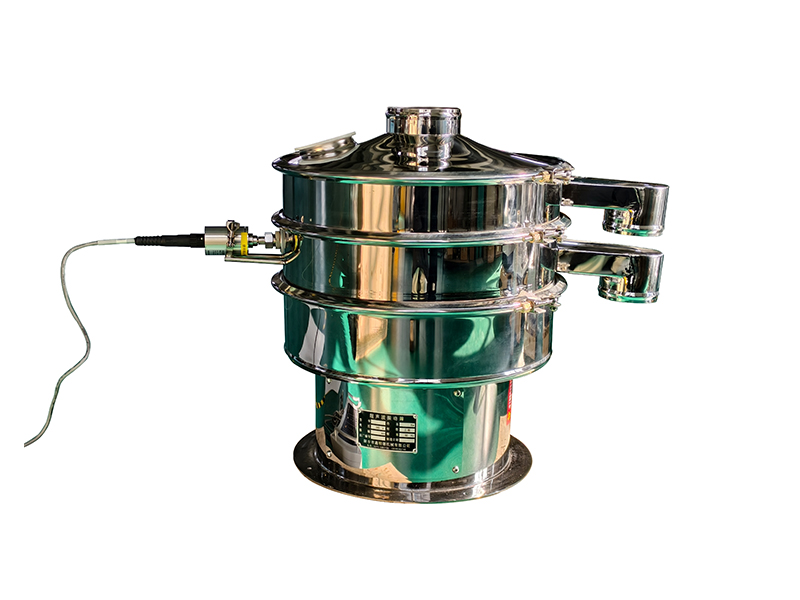
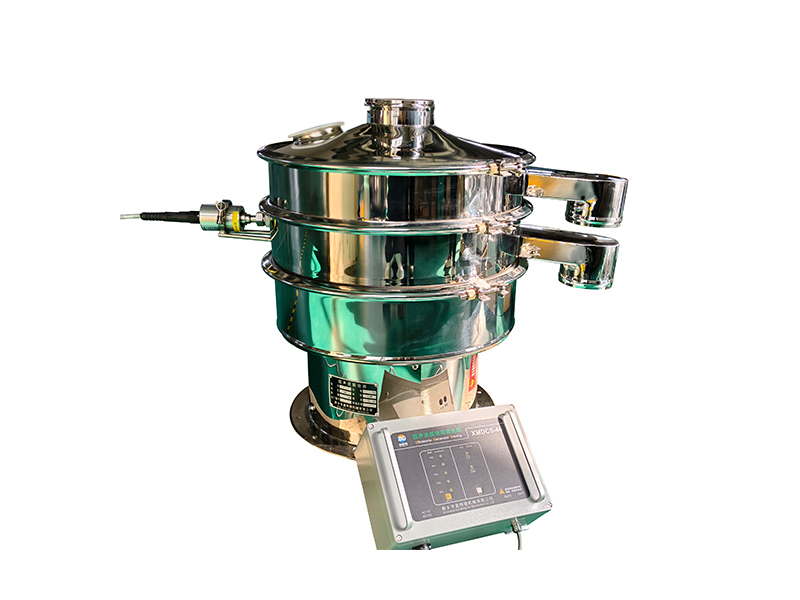
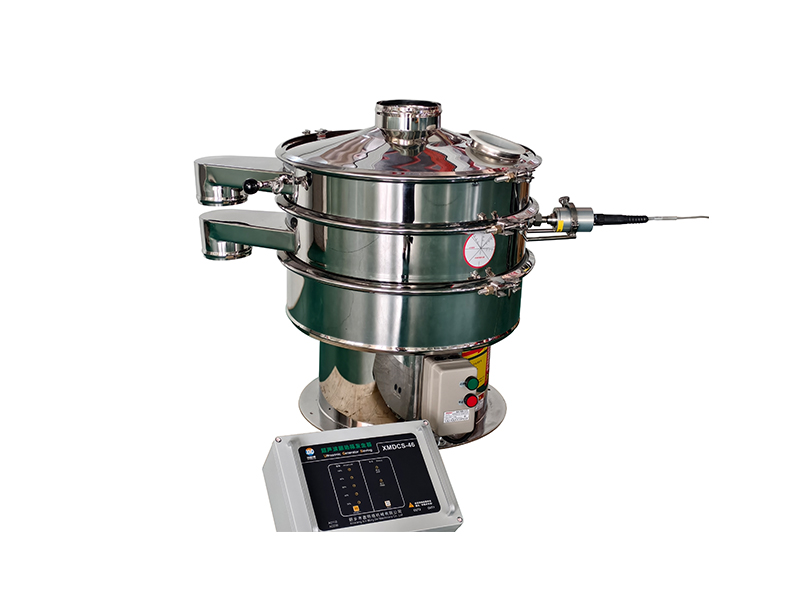
Ultrasonic vibrating screen
-
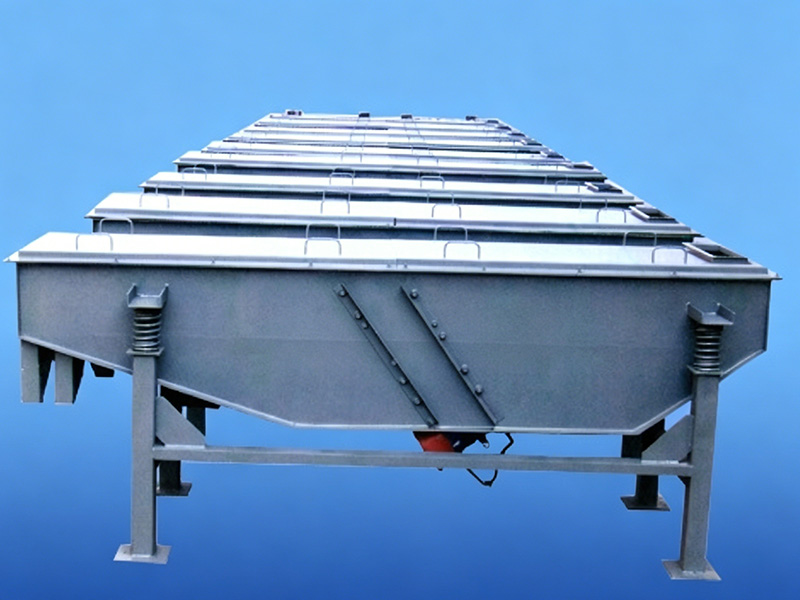
Linear Vibrating Sieve
-
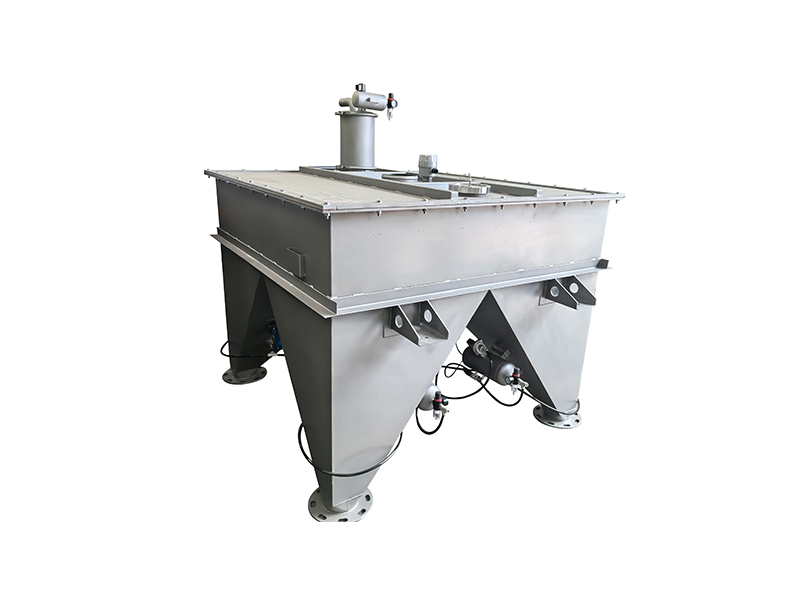
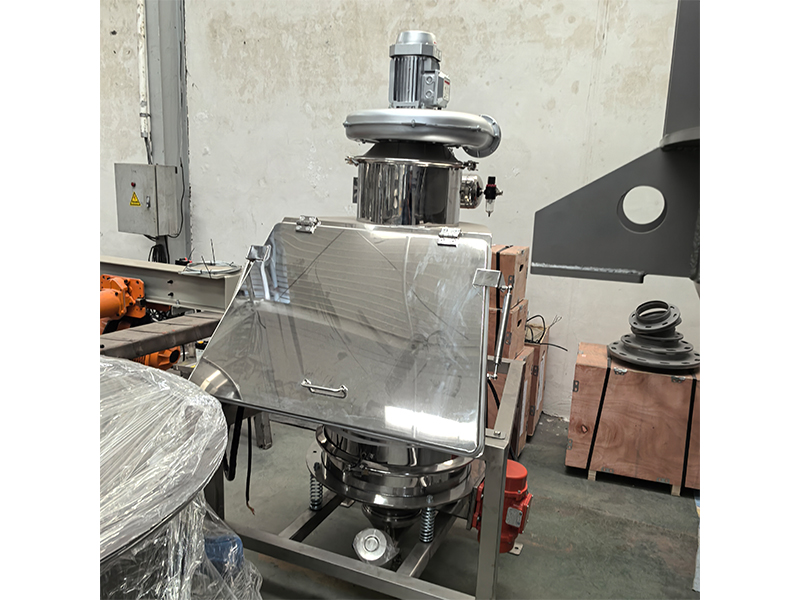
Feeding station
-
Full Stainless Steel Sieve Shaker
-
Sieve Shaker
-
Metal Filter Element & Filter Housing Series
-
Filter Element
-
Filter Element
-
Filter Element
-
Filter Element
-
Filter Element
-
Filter Element
-
Wire Thread Insert
-
Threaded Insert
-
Threaded Insert
-
Threaded Insert
-
Threaded Insert
-
Wire Thread Insert
-
Wire Thread Insert
HOTLINE:
+86 13938758219
MR Shao:+86 13849382746
ADD:No.9 Xinlian Road, Intelligent Manufacturing Industrial Park, Hongqi District, Xinxiang City, Henan Province, China

If you have any questions about our products, feel free to contact us immediately.
Product Details
Working Principle of Vibrating Sieve
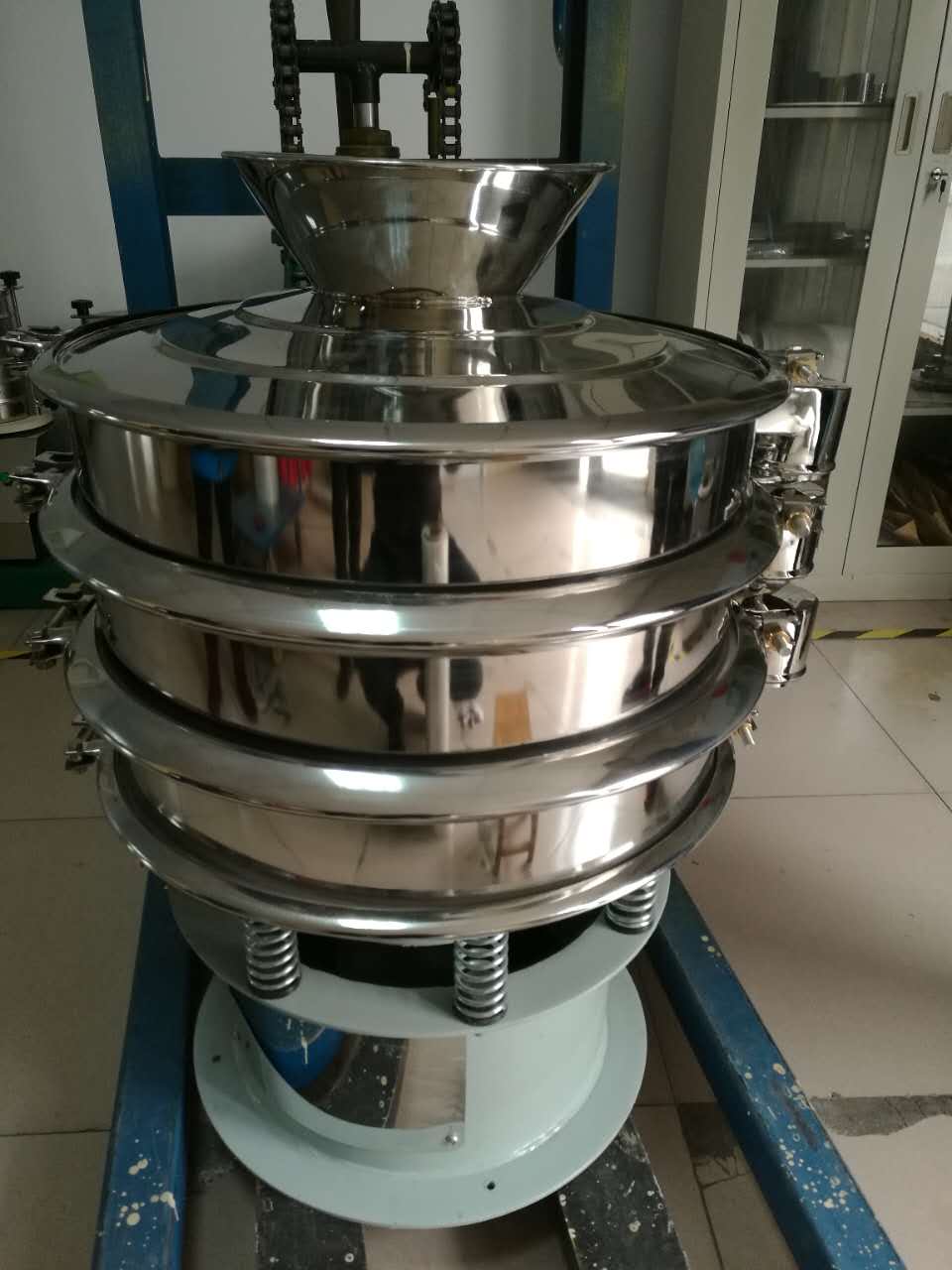
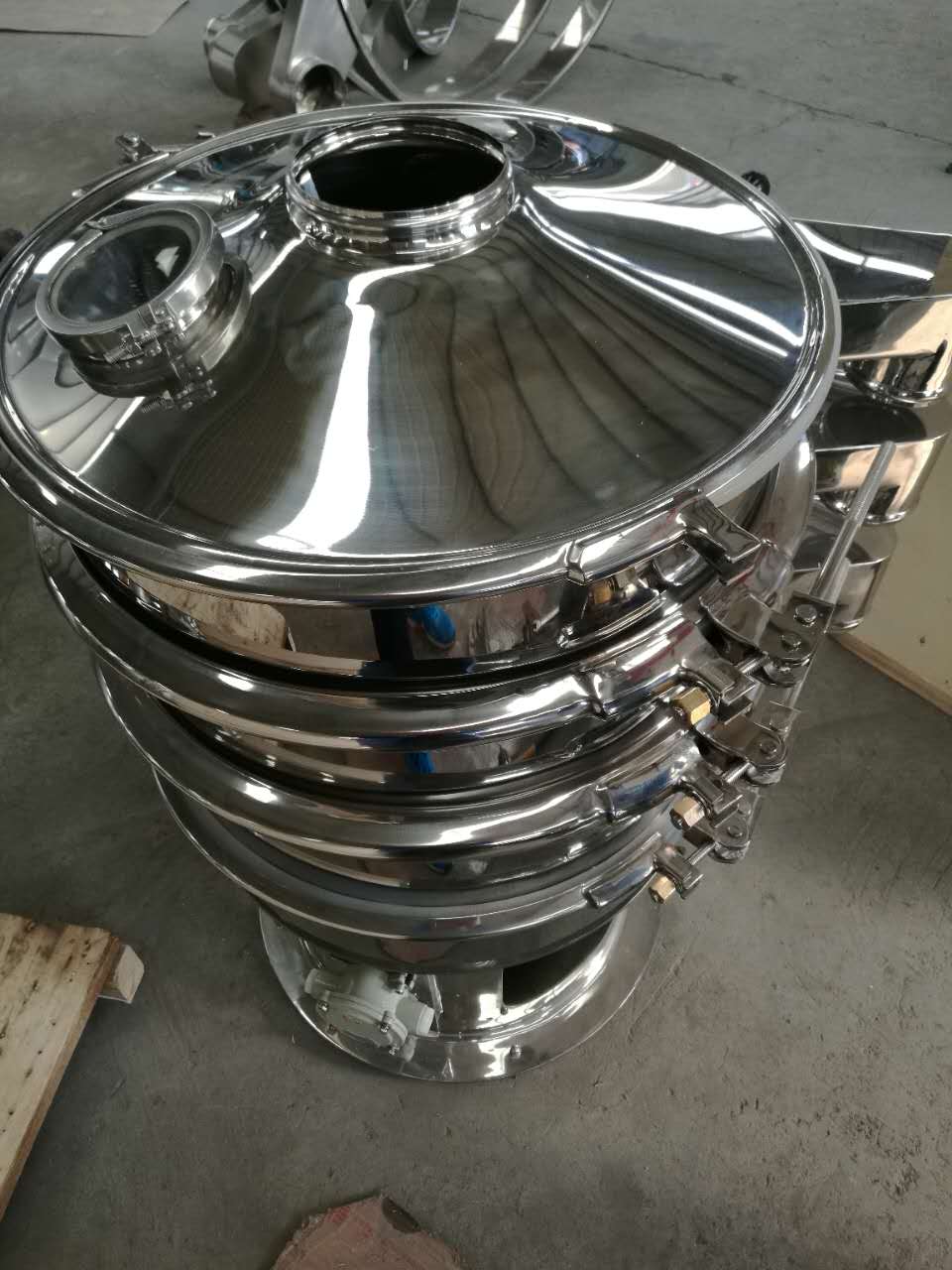
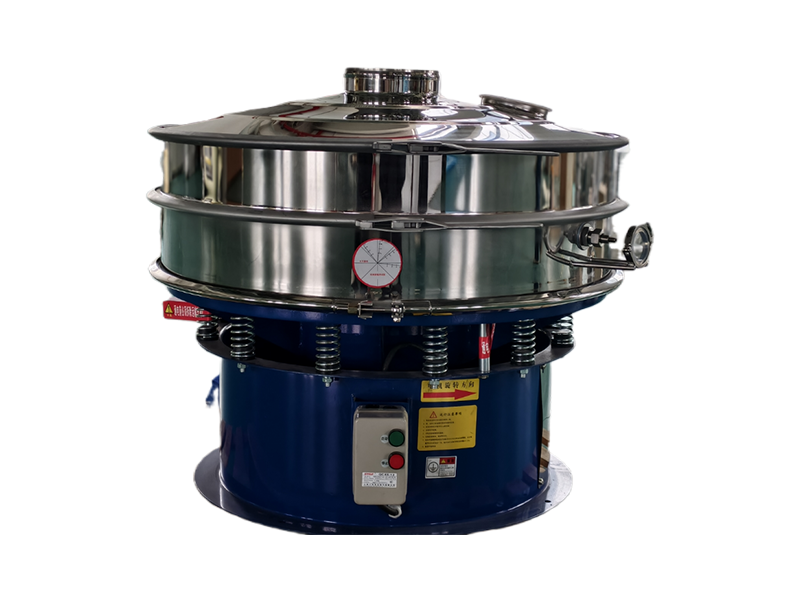
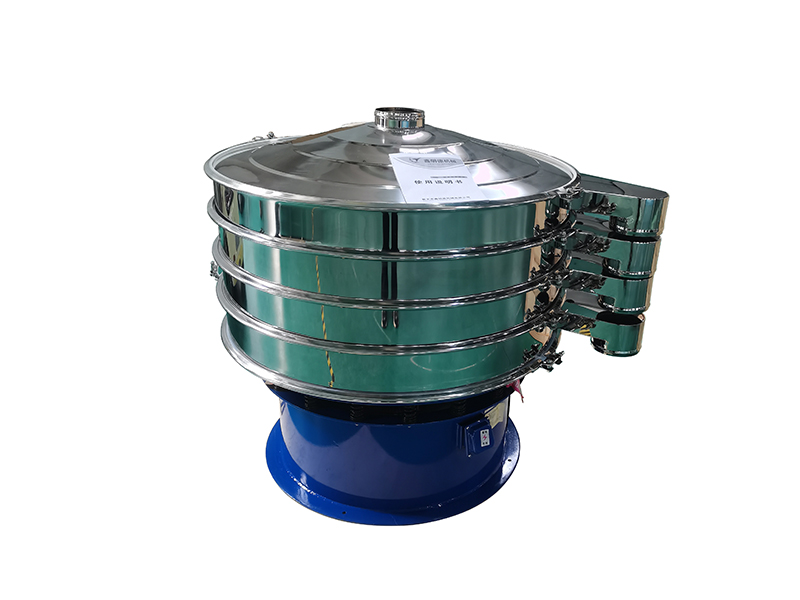
Vibrating sieves operate relying on compound rotary vibration generated by vibrator excitation weights. The upper eccentric weight of the vibrator drives the sieve deck to produce horizontal circular vibration, while the lower eccentric weight generates conical rotary vibration. The combined force creates complex compound rotary motion on the screen surface, whose vibration track forms a sophisticated spatial curve. The horizontal projection of this curve is a circle, and the vertical projection is an ellipse. Adjusting the excitation force of upper and lower eccentric weights can change the vibration amplitude; modifying the spatial phase angle between the two weights alters the curve shape of the screen’s motion track as well as the movement path of materials on the deck.
Classification
1. Classified by Weight & Application
Mining vibrating sieves
Light-duty fine vibrating sieves
Laboratory sieve shakers
Mining Vibrating Sieves
High-efficiency heavy-duty screens, self-centering vibrating screens, elliptical vibrating screens, dewatering screens, circular vibrating screens, banana screens, linear vibrating screens, etc.
Light-Duty Fine Vibrating Sieves
Rotary vibrating sieves, linear vibrating sieves, straight-discharge sieves, ultrasonic vibrating sieves, filter sieves, refer to the vibrating sieve product line.
Laboratory Vibrating Sieves
Tapping sieve shakers, top-strike sieve shakers, standard test sieves, electric sieve shakers, refer to laboratory equipment section.
2. Classified by Material Motion Track on Screen Deck
Linear track: Linear vibrating screen (materials travel forward in straight lines on the deck)
Circular track: Circular vibrating screen (materials move in circular paths on the deck)
Reciprocating track: Fine screening machine (materials advance reciprocally on the deck)
Main Types & Structural Features
Vibrating sieves are primarily categorized into linear vibrating screens, circular vibrating screens and high-frequency vibrating screens. By vibrator configuration, they are divided into single-shaft and double-shaft vibrating screens.
Single-shaft vibrating screen: Excited by one unbalanced weight to vibrate the screen box with an inclined deck; the motion track of the box is generally circular or elliptical.
Double-shaft vibrating screen: Driven by two synchronous counter-rotating unbalanced weights; the deck is horizontal or slightly inclined, and the screen box moves in a straight line.
Other categories include inertial vibrating screens, eccentric vibrating screens, self-centering vibrating screens and electromagnetic vibrating screens.
Linear Vibrating Screen
This machine uses vibration motors as the excitation source. Materials are tossed upward and conveyed linearly forward on the mesh. Raw materials evenly enter the feed inlet from a feeder; multiple mesh layers separate materials into various oversize and undersize fractions discharged through respective outlets.Linear vibrating screens feature stable performance, low power consumption, low noise, long service life, steady vibration and high screening efficiency. As high-efficiency new screening equipment, they are widely applied in mining, coal, metallurgy, building materials, refractory materials, light industry, chemical industry and other sectors.
Circular Vibrating Screen
Circular vibrating screens perform circular motion and are multi-layer high-efficiency screening machines. Equipped with cylindrical eccentric shaft exciters and adjustable eccentric blocks for amplitude control, they feature long material screening distance and multiple grading specifications.Advantages: reliable structure, strong excitation force, high screening efficiency, low vibration noise, robust construction, easy maintenance and safe operation. Widely adopted for material classification in mining, construction materials, transportation, energy and chemical industries.According to material characteristics and customer demands, screens can be fitted with high-manganese woven mesh, perforated plate or rubber screen plates (single-layer or double-layer) to meet diverse screening requirements. This series adopts base-mounted installation; screen deck inclination can be adjusted by changing the height of spring supports.
Elliptical Vibrating Screen
Elliptical vibrating screens follow an elliptical motion track, delivering high efficiency, precise separation and broad application range. Compared with same-size conventional sieves, they achieve larger throughput and superior screening performance.Suitable for sinter and flux screening in metallurgy, ore grading in mining, as well as coal classification, dewatering and desliming. It serves as an ideal alternative to large domestic vibrating screens and imported foreign models.TES three-shaft elliptical vibrating screens are extensively used for aggregate screening in quarries, and material grading in coal preparation, mineral processing, construction, power and chemical industries.
Screening Principle
Power is transmitted from the motor via V-belts to the driving shaft of the exciter and gear vibrator (gear ratio 1:1), driving three shafts to rotate synchronously and generate excitation force. The exciter is bolted firmly to the screen box to produce elliptical motion. Materials move rapidly with the high-speed elliptical vibration of the deck, achieving stratification, mesh penetration and forward conveyance to complete final classification.
Core Advantages of TES Three-Shaft Elliptical Vibrating Screen
Three-shaft drive delivers ideal elliptical motion, combining strengths of circular and linear vibrating screens. Adjustable elliptical track and amplitude allow customization based on material properties, especially effective for hard-to-screen materials.
Synchronous excitation via three shafts ensures stable running status, perfectly suited for high-throughput screening tasks.
Optimized stress distribution on the screen frame reduces individual bearing loads, uniformizes force on side plates, eliminates stress concentration points, boosts equipment reliability and service life, and lays a theoretical foundation for large-scale screen manufacturing.
Horizontal installation cuts overall unit height, matching the layout requirements of medium and large mobile screening stations.
Bearings adopt thin oil lubrication to lower operating temperature and extend service life.
Under identical screening area, elliptical vibrating screens increase output by 1.3 to 2 times.
Thin Oil Lubricated Vibrating Screen
Features large processing capacity and high screening efficiency. The vibrator adopts externally mounted block eccentric structure with thin oil bearing lubrication, delivering strong excitation force, low bearing load, low operating temperature and low noise (bearing temperature rise less than 35°C).
The entire vibrator can be disassembled and installed as a single unit for convenient maintenance and replacement; overhaul time is greatly shortened (vibrator replacement only takes 1–2 hours).
Side plates are integrally cold-formed without welding, offering high structural strength and long service life.
Cross beams connect to side plates via torsion-resistant high-strength shear bolts without welding, enabling easy beam replacement.
Rubber springs for vibration damping provide quieter operation, longer lifespan, smoother passage through resonance zones and lower dynamic load on support points compared with metal springs.
Flexible couplings connect motors and exciters to reduce motor impact and prolong service life.
This series of vibrating screens is widely used for material classification in coal, metallurgy, hydropower, mining, construction materials, chemical engineering, electric power, transportation, ports and other industries.
-
Focus areas
TEST SIEVE THE EXPERIMENTAL SIEVE
-
Strong strength
Years of industry experience
-
Partners
Good cooperation with customers
-
after-sale service
Improved after-sales service